How to Care for Wool: Washing, Stain Removal & Keeping It Looking New
Wool is one of the most luxurious and long-lasting fabrics in your wardrobe—but only if it’s cared for properly. With the right approach, your wool pieces will stay soft, structured, and elevated for years (not months).
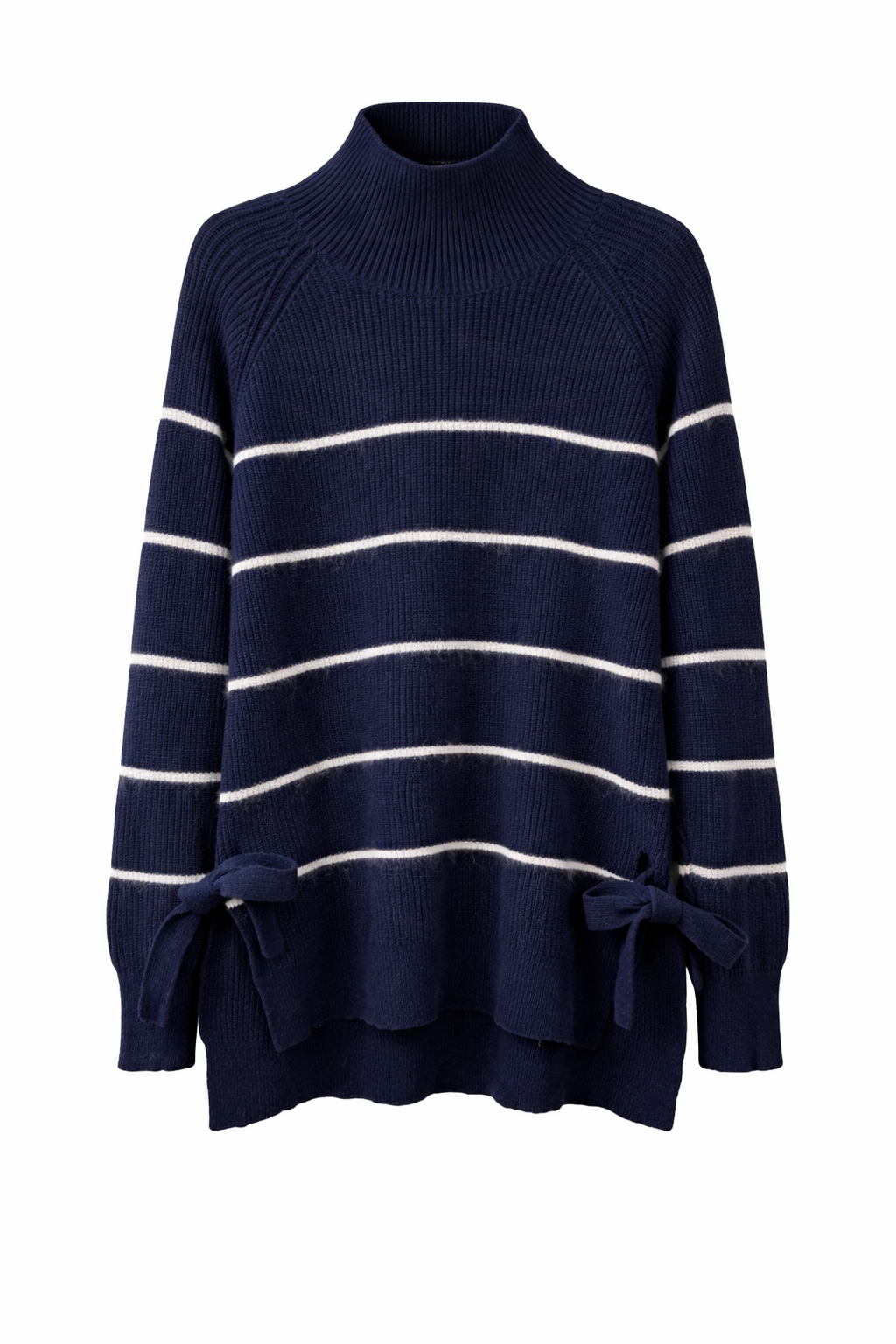
Care Summary
Wash sparingly (wool is naturally odor-resistant)
Always use cold water
Avoid heat at all stages
Lay flat to dry
Store folded, not hung
How to Wash Wool
-
Fill a basin with cold water
Add a wool-safe detergent
Submerge and gently swirl (no scrubbing)
Soak for 10–15 minutes
Rinse with cold water
-
Use “delicate” or “wool” cycle
Cold water only
Place in a mesh laundry bag
Use low spin or no spin
How to Remove Stains from Wool
Wool is delicate but forgiving if handled properly. The key is acting quickly and avoiding heat or friction.
-
What to do:
Blot excess oil
Sprinkle cornstarch or baking soda
Let sit for several hours
Brush off gently
Dab with cold water + mild detergent
Recommended products:
The Laundress Stain Solution
Puracy Natural Stain Remover
-
What to do:
Blot immediately
Rinse from the back with cold water
Dab with diluted vinegar or detergent
Blot until lifted
Pro tip: Sparkling water can help lift fresh stains quickly
-
What to do:
Remove excess product
Dab with micellar water or mild detergent
Blot gently (no scrubbing)
-
What to do:
Use cold water only
Apply mild detergent
Let sit for 10–15 minutes
Rinse and repeat
-
What to do:
Let mud dry completely
Brush off excess
Spot clean with cold water + detergent
-
Gently rub with a damp cloth
Or use a small amount of white vinegar
Universal Stain Rules
Treat stains as soon as possible | Always use cold water first | Never rub—blot gently | Test products on an inside seam
Heat will permanently set stains
How to Dry Wool
Never use a dryer
Gently press out water (don’t wring)
Lay flat on a towel
Reshape while damp
Let air dry fully
How to Store Wool
Always fold (never hang sweaters)
Store in a cool, dry place
Use cedar blocks or lavender for moth prevention
Avoid plastic bags (they trap moisture)
Pro Tips (What Keeps Wool Looking Expensive)
Steam your wool pieces between wears to refresh them instead of washing, and let them air out after each use. Rotating your sweaters helps prevent overwear, while using a fabric shaver keeps them looking smooth and free of pilling.
Suggested Products
Stain Removers:
Puracy Natural Stain Remover
OxiClean MaxForce Gel Stick
Detergents:
Woolite Delicates Detergent
The Laundress Wool & Cashmere Shampoo
Tools:
Fabric shaver (for pilling)
Mesh laundry bags
Cedar blocks
Do You Really Need to Dry Clean Wool?
Many wool garments are labeled “dry clean only” as a precaution—not always because they can’t be washed. In many cases, wool can be safely hand-washed at home. However:
Structured pieces (coats, blazers) → dry clean
Delicate or lined items → proceed carefully
Heavy stains → dry clean
Investment pieces → when in doubt, dry clean
Final Thought
Taking proper care of wool isn’t just about cleaning—it’s about preserving the shape, texture, and quality that makes the piece feel elevated in the first place.A well-cared-for wool piece doesn’t just last longer—it continues to look like something you’d buy again today.
Sources
https://www.woolmark.com/care/
https://www.woolmark.com/care/how-to-wash-a-wool-sweater/
https://www.woolmark.com/care/how-to-dry-wool/
https://www.woolmark.com/care/which-laundry-detergent-should-i-use-when-washing-wool/
https://www.americanwool.org/wool-101/care-tips/
https://www.woolmark.com/care/washing-instructions-explained/
Care Note
Our care guides are designed to help you extend the life of your pieces using widely recommended techniques. Because fabrics, dyes, and garment construction can vary, we always recommend testing any method on an inconspicuous area first and using your best judgment.
Please note that this information is provided for general guidance only and is not professional cleaning advice. By following these recommendations, you acknowledge that results may vary and that you assume responsibility for your garment’s care. For delicate, structured, or high-value pieces, professional cleaning may still be the safest option.